Feature
Digital Twin

A live view of your property

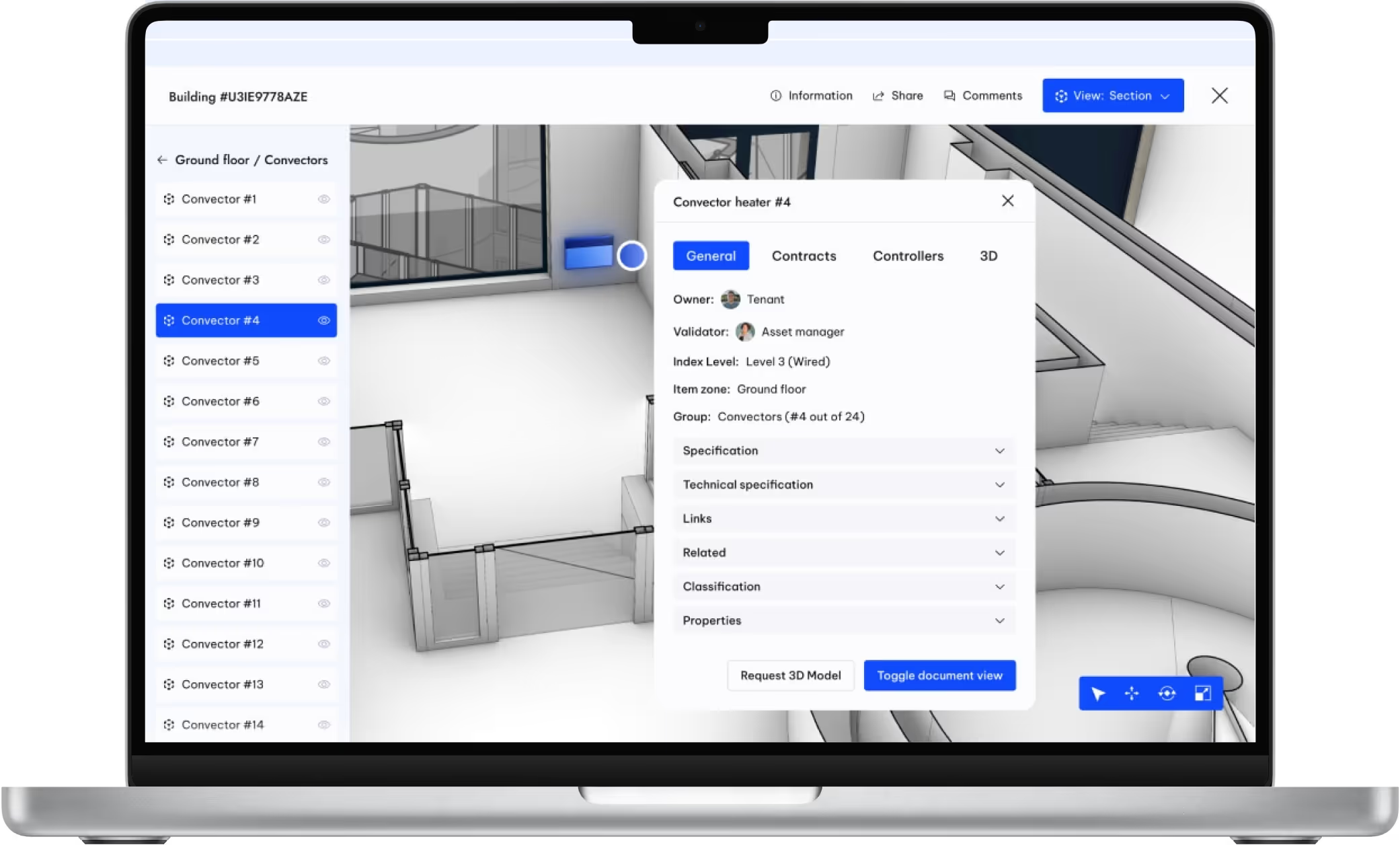
The digital twin brings together layout, systems, documents, and history in one place so teams can understand issues faster and act with confidence.
MacBook mockup
BENEFITS

Why digital twins matter

Because buildings change — and decisions shouldn’t rely on stale plans or scattered files. A digital twin gives teams a live, shared understanding of what’s actually happening on site.

Better decisions, grounded in reality

See systems, history, and documentation in one model so operational and investment decisions are based on current conditions, not assumptions.

Fewer failures, lower costs

Surface issues early. Spot inefficiencies, track wear, and reduce downtime before small problems turn expensive.

ESG and compliance, built in

Energy use, materials, and emissions are tied directly to the asset. Reporting is continuous, auditable, and comparable.

Assets that improve over time

Every update, inspection, and change feeds the model. The building gets smarter — and more valuable — as it operates.

The Building Difference

Digital twins built on verified data — not disconnected models.
Verified foundation. Every twin is grounded in authenticated documents and source data, not assumptions or static files.
Systems, actually connected. Operations, sensors, maintenance, and ESG data flow into one live model — no silos.
Built to act, Turn real conditions into decisions across performance, compliance, and long-term value.
Dashboard mockup

Frequently asked questions

What makes a Building digital twin different from a traditional BIM model?
A Building digital twin is built on verified property records and live operational data. Unlike a traditional BIM model, it stays continuously updated, auditable, and usable across operations, compliance, valuation, and investment decisions.
How does a digital twin improve day-to-day operations?
By visualizing live operational data, Building helps teams identify inefficiencies, anticipate maintenance needs, and track ESG performance within a single continuously updated system.
What kind of data can be tracked through a digital twin?
Operational, financial, and ESG data including energy use, maintenance history, materials, and occupancy. Each update is automatically linked to the verified property record, preserving continuity across the asset’s lifecycle.

Still have questions?