Feature
Asset Record

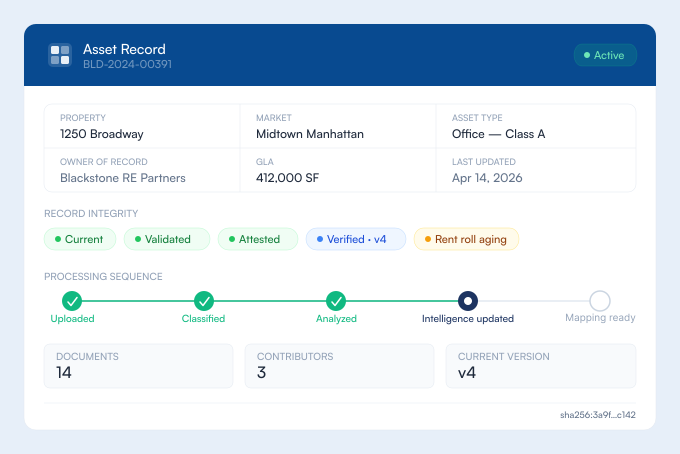
A clear record of every asset

Keep property information complete, current, and defensible. Every document lives in one place and stays usable across diligence, operations, and financing.
MacBook mockup
BENEFITS

Control the flow of information

When property data is clear and complete, decisions move faster and risk drops. The Asset Record gives every stakeholder the same reference point—without chasing files or second-guessing accuracy.

No delays

Teams spend less time tracking documents and more time moving work forward.

Trusted data

Files are checked and locked so everyone works from the same, reliable record.

Less compliance friction

Version control and audit trails are built in, not assembled at the last minute.

Finance-ready by default

Clean records shorten diligence, underwriting, and appraisal cycles—whenever they happen.

The Building Difference

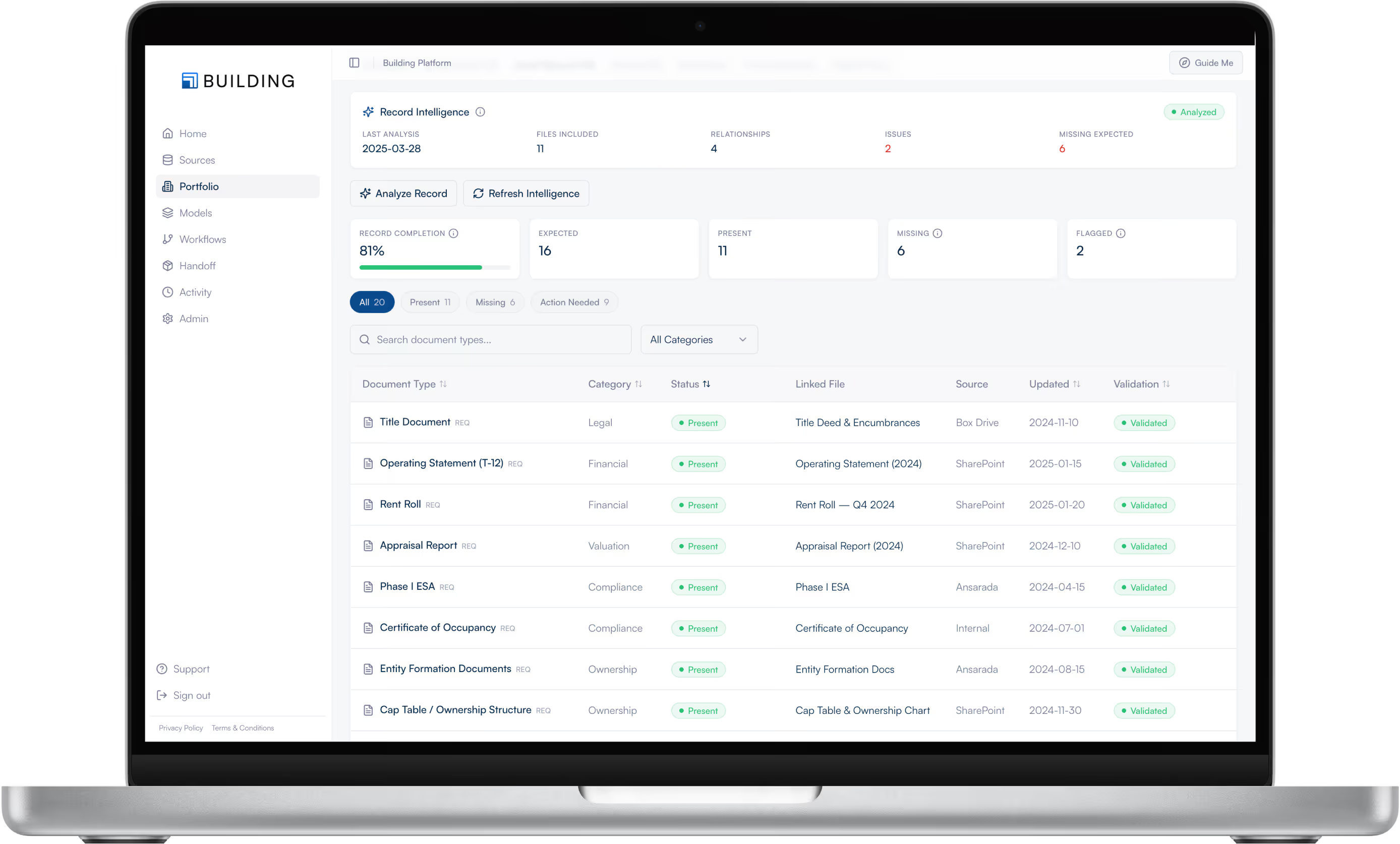
Built to keep asset data usable over time—not buried in folders.
Structured by default. Documents are organized consistently so teams know where to look and what they’re working with.
Verifiable records. Each file has a clear history, so reviews, audits, and appraisals rely on facts—not assumptions.
Lifecycle-aware. Information carries forward from operations to diligence to financing, instead of being rebuilt for every event.
Dashboard mockup

Frequently asked questions

How is the Asset Record different from a standard file drive?
File drives store documents. Asset Record keeps them usable by structuring, tracking, and carrying them forward into diligence, compliance, and financing.
Can external partners access the Asset Record securely?
Yes. You control who sees what, for how long, with clear permissions and audit trails.
What types of documents belong in the Asset Record?
Anything tied to the property—leases, financials, permits, reports, drawings, and operational records—all kept under one continuous asset record.

Still have questions?